Anti-aging
7 Truths About PRP for Hair Loss (Before You Spend Money on Anything Else)
Everyone's heard PRP mentioned for hair loss. Almost nobody knows it actually ranked #1 in a major efficacy comparison — or that it only works under very specific conditions most people never ask about. Here's what actually matters before you book.
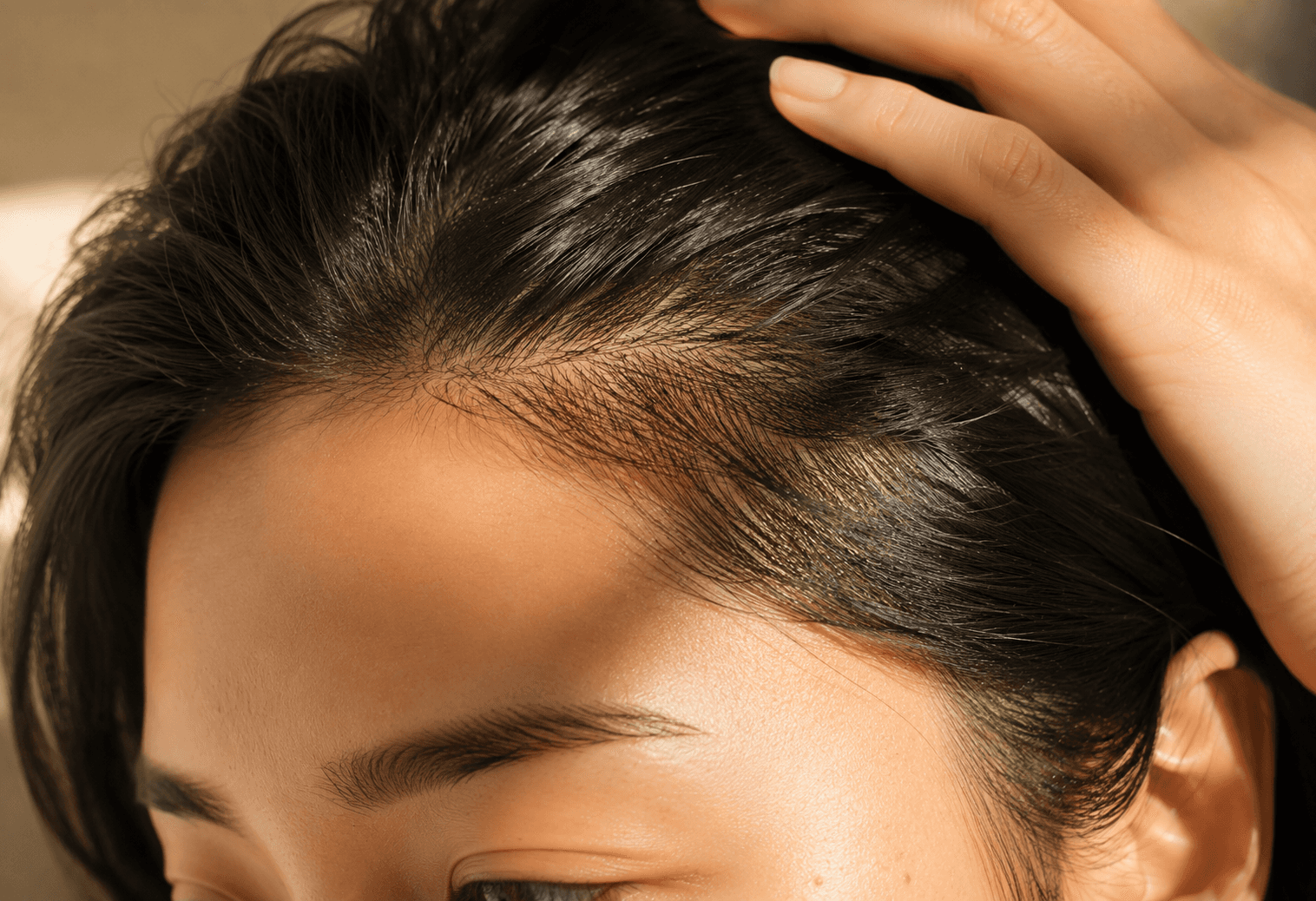
PRP for hair loss gets mentioned constantly, usually in the same breath as minoxidil and finasteride, without much explanation of how it actually compares. The real research tells a more specific — and more useful — story than most marketing does.
Here are 7 things worth knowing before you spend money on anything for hair thinning.
1. PRP Ranked #1 for Male Hair Loss in a Major Efficacy Comparison
This surprises most people: a 2022 network meta-analysis directly comparing non-surgical hair loss therapies found PRP ranked highest in efficacy for male androgenetic alopecia — ahead of dutasteride, finasteride, minoxidil, and low-level laser therapy. This isn't a marketing claim, it's a comparative ranking across the published evidence base.
2. For Women, the Ranking Is Completely Different
Here's the nuance most competitor content skips entirely: in that same meta-analysis, low-level laser therapy — not PRP — ranked highest for women with androgenetic alopecia. This is a genuine sex-based difference in treatment response, not a minor footnote, and it's exactly why a hair loss protocol built for men shouldn't be assumed to work the same way for women.
3. It Doesn't Work on Fully Bald Areas — And Anyone Who Says Otherwise Isn't Being Honest
PRP stimulates and supports existing hair follicles — it doesn't create new ones. This means it's genuinely effective for early-to-moderate thinning (roughly Norwood stages 2–4), but it will not regrow hair in areas where follicles have already been lost entirely. This is a real biological limitation, not a dosing or protocol issue.
4. Results Take Months, Not Weeks — And That's Normal
Most patients see initial improvement after 3–6 monthly sessions, not after one visit. This is consistent with how hair growth cycles work biologically — follicles need to progress through their natural growth phases for any regenerative treatment to show visible results, and PRP is no exception.
5. Combined With Minoxidil, Results Are Substantially Stronger Than Either Alone
This is arguably the most useful finding in the research: one study found PRP alone increased hair density by roughly 12%, minoxidil alone by roughly 16% — but PRP combined with minoxidil produced a 32% increase, meaningfully outperforming either treatment used in isolation. Combination protocols, not single treatments, are increasingly considered the standard of care for a reason.
6. Maintenance Isn't Optional If You Want to Keep the Result
PRP's effect isn't permanent — most protocols call for maintenance sessions every 6–12 months after the initial course. Treating it as a one-time fix rather than an ongoing part of a hair health routine is one of the most common reasons people feel disappointed months later.
7. Protocols Vary Significantly Between Clinics — And That Actually Matters
Unlike a standardized medication dose, PRP preparation technique (centrifuge speed, platelet concentration, injection depth and pattern) varies between providers, and this variation genuinely affects outcomes. This is exactly why the provider's protocol and experience matters as much as the treatment category itself.
The Real Takeaway
PRP for hair loss isn't hype, and it isn't a guaranteed fix either — it's a genuinely evidence-backed treatment that performs best under specific conditions: early-to-moderate thinning, realistic timeline expectations, ongoing maintenance, and ideally combined with other proven approaches rather than used in isolation.
At Matrix Clinic, PRP for hair thinning is available under our Hair Thinning & Scalp Health programme, assessed individually to determine whether PRP alone, or a combination approach, fits your specific pattern of thinning.
If you haven't already, see our full breakdown of what PRP actually is before booking.
Book a consultation here to find out what's realistic for your hair.
This article is for general educational purposes and does not constitute medical advice. Individual results vary. Individual treatment plans should always be discussed with a qualified physician.
Read tips, insights, and stories.


