Skin Health
6 Astonishing Benefits of PRP for Skin (And Why It's Worth Doing at Matrix Clinic)
PRP for skin gets reduced to "glow" in most marketing. The actual research shows it doing a lot more — from acne scar remodeling to pigmentation correction. Here are 6 real, evidence-backed benefits, and what actually determines whether you get a good result.

PRP for skin has a marketing problem — it's been flattened into a single word, "glow," when the actual research shows it doing considerably more across several distinct skin concerns. Here are 6 real benefits, backed by what the evidence actually shows.
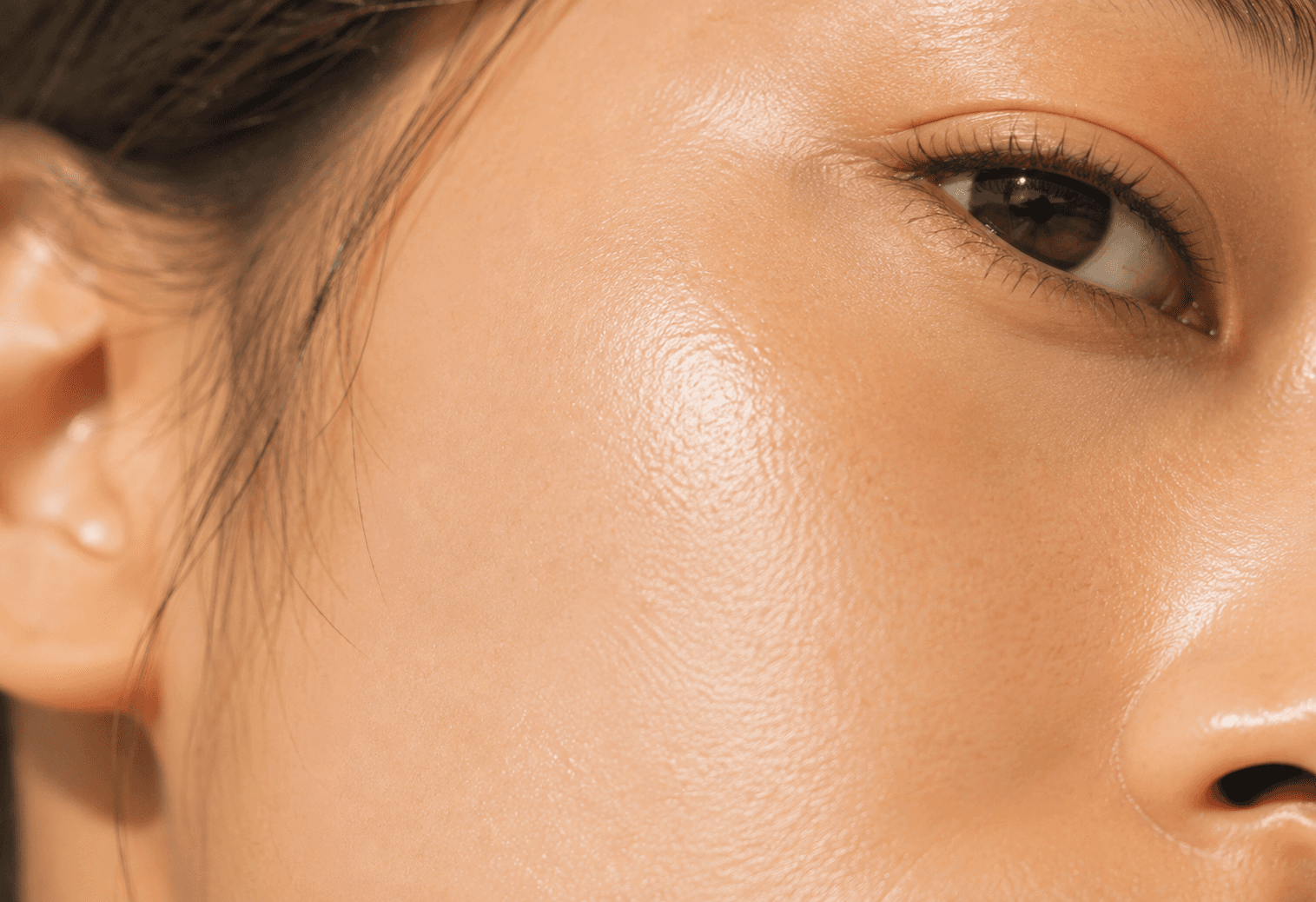
1. Increased Collagen Density — Measurable, Not Just Visual
PRP's growth factors — including PDGF, TGF-beta, and VEGF — stimulate fibroblast activity, the cells responsible for producing collagen and elastin. Research reviewing PRP for skin rejuvenation has found significant improvements in collagen density after just one to three sessions, not just a temporary surface effect.
2. Genuine Texture and Pore Refinement
Unlike surface-level treatments, PRP works from within the dermis — which is exactly why it shows real results for rough, patchy, or uneven texture, not just fine lines. Reviewed studies have documented measurable improvements in pore size and overall texture following PRP treatment.
3. Reduced Pigmentation and More Even Tone
Beyond texture, published research has found PRP contributes to reduced pigmented spots and more even overall skin tone — a benefit less commonly advertised than "anti-aging," but well-documented in the literature.
4. Real Improvement in Acne Scarring
For acne scars specifically, PRP is delivered directly into scar tissue to stimulate collagen remodeling — helping reduce the depth and visibility of depressed scarring over a course of sessions. Results vary based on scar severity and skin condition, which is why a personalized assessment matters more here than with almost any other PRP application.
5. Firmer Skin and Reduced Fine Lines — Gradually, Not Overnight
Because PRP works by triggering your own collagen production rather than adding volume or relaxing muscles, firmness and fine-line improvement build gradually over weeks to months as fibroblast activity increases — a slower, more natural trajectory than filler or Botox, but one that reflects genuine tissue change rather than a temporary effect.
6. It's Authentically Yours — No Foreign Substance Involved
Because PRP is derived entirely from your own blood, the "rejuvenation" it produces isn't layered on top of your skin — it's your own regenerative biology, accelerated. This is also why it pairs so naturally with other regenerative treatments like Sculptra, rather than competing with them for the same mechanism.
Why It's Worth Doing at Matrix Clinic Specifically
PRP's biggest variable isn't the treatment category — it's how it's assessed and administered. A few things worth knowing about how we approach it:
Individualized assessment first. PRP isn't appropriate for everyone — people with blood disorders, active skin infections, or those on blood-thinning medication require careful screening before treatment. A proper medical history review happens before any session is booked, not after.
Doctor-supervised protocol, not a fixed template applied to every patient regardless of skin condition, scar type, or goals.
Real combination expertise. PRP is available on its own, or combined with Sculptra for a layered regenerative approach — covered in more detail here — assessed based on what your skin actually needs, not a default upsell.
Applied across multiple concerns under one roof — skin under our Fine Lines & Wrinkles programme, hair thinning under Hair Thinning & Scalp Health, and under-eye concerns under Tired Eyes & Eyebags — meaning your provider has depth across PRP's applications, not experience in just one narrow use case.
If you haven't already, see our full breakdown of what PRP actually is before booking.
Book a consultation here to find out if PRP — alone or combined — is the right fit for your skin.
This article is for general educational purposes and does not constitute medical advice. Individual results vary. Individual treatment plans should always be discussed with a qualified physician.
Read tips, insights, and stories.


